
For the Japanese, the cherry blossom is a cherished symbol.
If I were to express the sentiment of the cherry blossom in another color, I believe it would be the ayu—sweetfish.
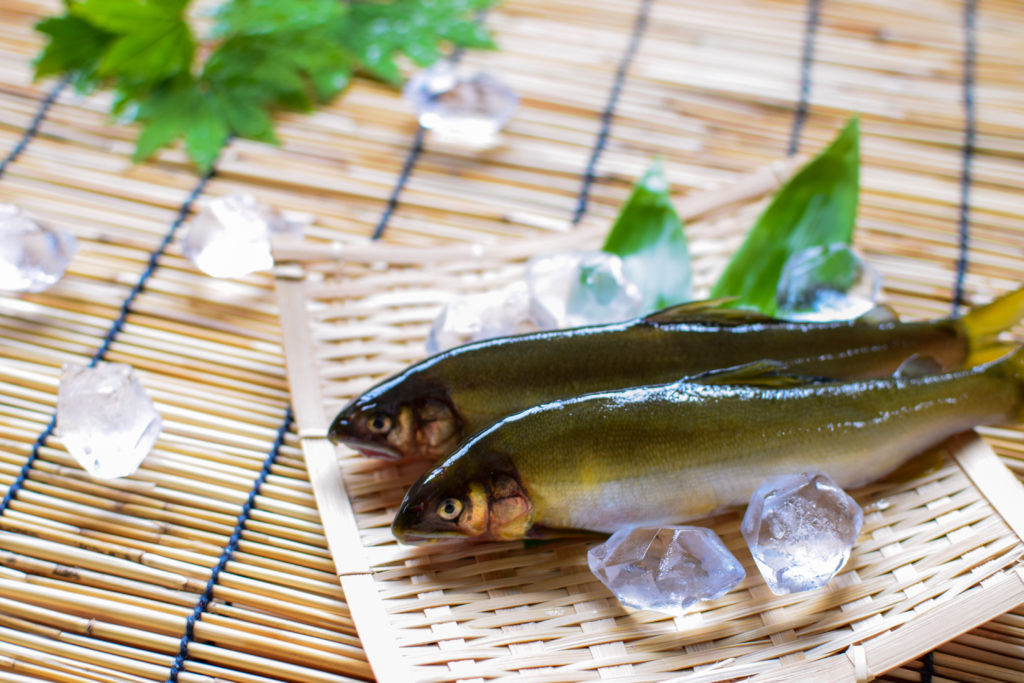
Like the cherry blossom, the ayu possesses a fleeting beauty that vanishes in an instant.
Its short life evokes the changing of the seasons and the beauty of impermanence.
Most notably, the ayu is an annual fish—born and gone within a single year.
This brevity of life is, I believe, the greatest reason it captivates the Japanese.
Like the cherry blossom’s brief bloom, it lives with a wild intensity, and the conditions of that single year are reflected directly in its flavor—making it an indescribable delicacy.
As someone who lives in Hida, I can say with confidence that the ayu is a treasure that surpasses even Hida beef.
In recent years, water quality in the rivers has been improving, but for some forty years after the war, pollution robbed many people of the chance to know this delicacy.
In truth, ayu from other parts of Japan and ayu from Hida are entirely different.
Hida, in Gifu Prefecture, is one of Japan’s most renowned heavy-snow regions, blessed with pristine streams flowing from the Alps.
The ayu raised here are simply exquisite—no, it’s beautiful.
Even among gourmets in the big cities, they command exceptionally high prices, recognized as a river fish of unmatched quality.
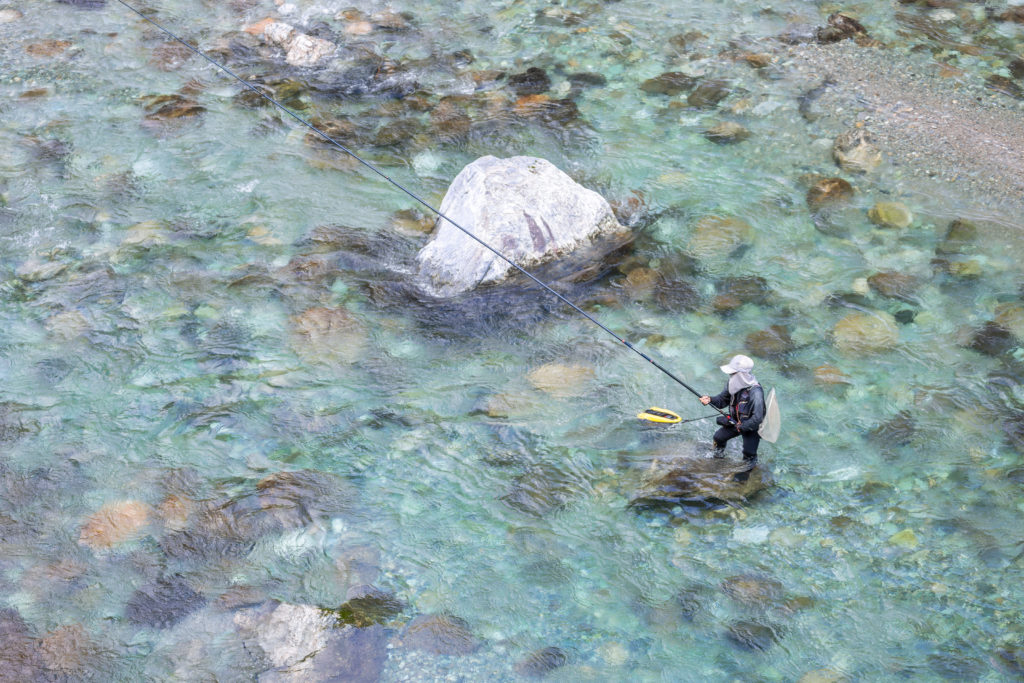
This fleeting, ephemeral “wild fish” has a powerful allure for anglers.
So much so that each year, a few lives are lost in pursuit of it, for it can at times be a dangerous adversary.
The unique fishing method known as otori-ayu※—“decoy ayu”—is itself a testament to the fish’s distinctive nature.
And I truly want people to taste this fish.
When served whole and grilled, it may cause hesitation for those unfamiliar with the culture, yet skilled chefs cook it gently so that even the head, bones, and innards can be enjoyed.
Raised in crystal-clear rivers and nourished by abundant algae, the ayu’s very body carries the flavor of its mother river’s beauty. For those unaccustomed, it’s fine to leave the head or bones aside.
Ayu pairs beautifully with cucumber and chilled sake.
This trio of summer ingredients is more than just a marriage of flavors—it evokes for Japanese people the distant, nostalgic image of summers long past.
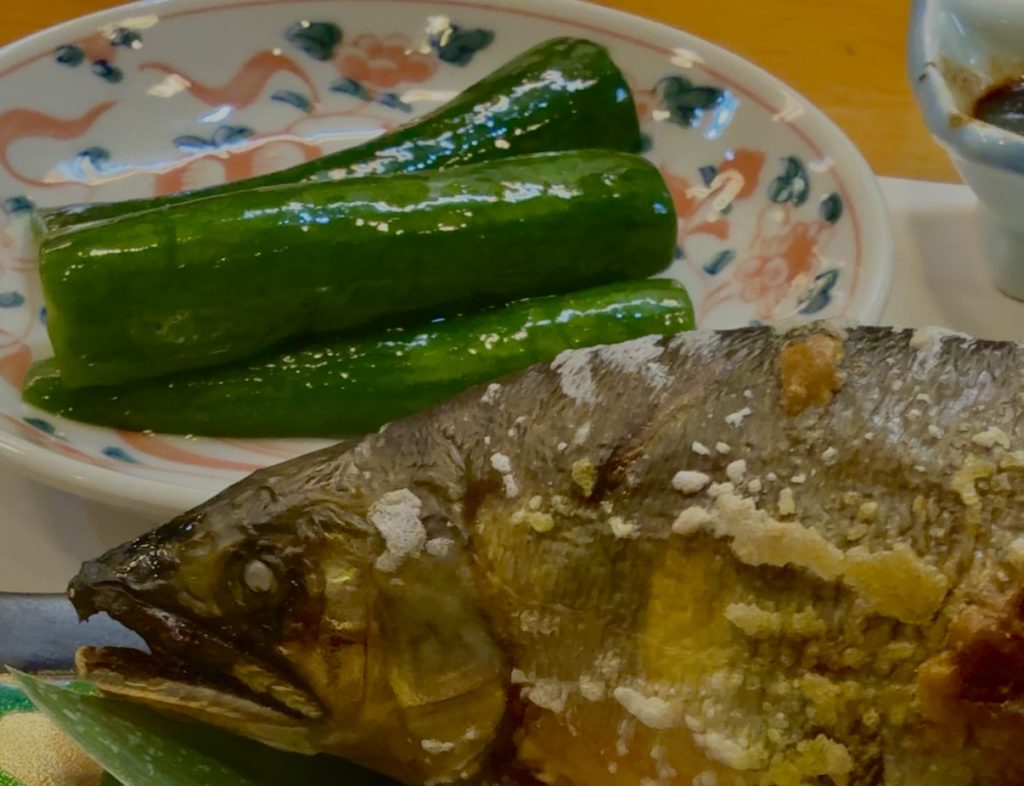
I encourage you to try ayu at least once.
The season runs from late June to late September.
In June, they are young and fresh; by September, the females carry eggs.
To those with a heart for animal welfare, I offer my respect—but know that anglers take only what they need, and cook it with care.
It is, I believe, a way of honoring both the life and the earth, and a culture worth embracing with an open heart.
※Note – Otori-ayu (decoy ayu): Ayu are highly territorial and will attack intruders that enter their area. This behavior is used in fishing—anglers attach a live ayu to a hook and let it swim to provoke the territorial fish. When the resident ayu attacks, it gets caught on the hook.
日本人にとって、桜は特別な存在。
その美しさは一瞬で過ぎ去り、だからこそ心に深く残る。
そんな桜の情緒を「色」ではなく「味覚」で表すとしたら、
私は、鮎(あゆ)を挙げたいと思います。
短命だからこそ、毎年その味わいは微妙に変わる。
その年の雨の量、川の流れ、気温、藻の育ち方。
すべてが“味”に現れる。
まさに「その年の自然を丸ごと味わう」ような魚です。
飛騨で暮らす私にとっては、この鮎こそが本当の珍味だと思っています。
ブランド牛として有名な飛騨牛さえも、個人的には鮎の魅力には及ばない。
それほどまでに、この土地の鮎は誇りうる存在です。
岐阜県は、日本でも有数の豪雪地帯。
山々に積もった雪が、やがてアルプスから美しい清流となって流れ出し、
そこで育った鮎は、ただ“うまい”のではなく、美しいのです。
さて、肝心の「味」について。
鮎は、頭から骨、そして内臓まで食べられます。
もちろん、すべてを食べるかどうかは自由ですが、
きれいな川で育った鮎の内臓には、特有のほろ苦さと旨味が詰まっています。
川の藻を食べて育つため、体内に宿る“香り”さえも清らか。
地元の料理人は、じっくりと火を通して、まるごと美味しく仕上げてくれます。
そして、夏の食卓に欠かせないのが、鮎 × きゅうり × 冷酒の組み合わせ。
これ以上ない「日本の夏」そのものです。
ただの味の相性ではなく、幼い頃の記憶や、ふとした風景までを呼び起こすような組み合わせです。
鮎の旬は、6月下旬から9月下旬ごろまで。
6月の若鮎は、すらりとした体に爽やかさがあり、
9月には卵を抱いたメスが登場します。
脂の乗りや内臓の味わいが一段と深くなり、まったく違った表情を見せてくれます。
魚が苦手な方や、動物愛護の観点で抵抗を感じる方もいるかもしれません。
でも、鮎は漁師が必要な分だけを釣り、
自然への感謝と共に丁寧に調理される——
それは生命と向き合う文化そのものでもあるのです。
「鮎は桜だ」と私は思います。
どちらも、人生の刹那を美しく生き抜く存在。
だからこそ、私たちの心に深く残るのです。
ぜひ一度、この美しき暴れ魚に、触れてみてください。
その味と、命のあり方に、何かを感じていただけたら嬉しいです。